
Understand the examples
See how rhythm, movement, story, performance, and making can carry formal ideas.
Limited-access learning-design project
Etuosity turns hard ideas into learning experiences people can hear, move through, make, explain, and try somewhere new. The work starts in education and extends to any subject where people need a clearer path into complex knowledge.
The current work is limited to contributors, reviewers, pilot conversations, and aligned supporters. The goal is to turn early examples into a useful public library of materials and tools.
Early lessons, prompts, and experience maps are being shaped with contributors.
Review, pilots, and deeper materials are currently shared with people involved in the work.
Software and physical learning aids are possible next steps, shaped by the examples.
What is Etuosity right now?
Etuosity is creating examples and practical design principles for anchor-based learning: lessons that begin with experience, connect the pattern, name the formal idea, and check whether learners can use it somewhere new.
It is not a finished app, paid curriculum, or fully public library yet. It is a non-commercial project being shaped with contributors through examples, review, learning problems, pilot ideas, and evidence-building.
What can you do here?
Right now, deeper access is for people who can help make the examples clearer, more grounded, and easier to test.
See how rhythm, movement, story, performance, and making can carry formal ideas.
Point out what is clear, confusing, useful, unrealistic, or ready for testing.
Bring a subject, skill, system, or concept that people struggle to remember or use.
Help decide what examples, formats, tools, and evidence would be genuinely useful.
Start a practical conversation about small pilots, collaboration, or tool ideas.
The long-term goal is a public library of learning materials, design guides, and tools for designing anchor-based learning experiences.
What Etuosity is becoming
Etuosity is being developed toward three kinds of public resources.
Clear design principles for building learning experiences around anchors, relationships, emotion, creation, and transfer.
Example lessons, experience maps, prompts, and activities that educators and learners can inspect, adapt, and use.
Future software and physical learning aids that make it easier to design, deliver, and measure anchor-based learning.
What Etuosity is not
Etuosity is not yet a finished app, paid curriculum, tutoring service, or training program. It is also not yet a fully public library. The goal is to build materials with enough review, examples, and evidence that they can become useful later.
The simple version
Many people can understand complex ideas when those ideas have something to attach to. The problem often starts when information arrives as isolated rules, terms, symbols, or procedures with no relationship strong enough to hold it.
Etuosity starts with an anchor: a rhythm, scene, drawing, motion, role, object, story, emotional moment, or learner-made artifact. The anchor gives the idea a path back into memory and a way to move into formal language.
How it works
The loop is practical: create an anchor, connect the relationships, name the formal concept, make something with it, then try it somewhere new.
Begin with a sensory, emotional, social, creative, or lived point of contact.
Notice what repeats, changes, relates, matters, or creates meaning.
Connect the lived pattern to vocabulary, symbols, notation, or explanation.
Build, explain, perform, draw, remix, teach, or use the idea.
Find the same structure in a new problem, subject, memory, or setting.
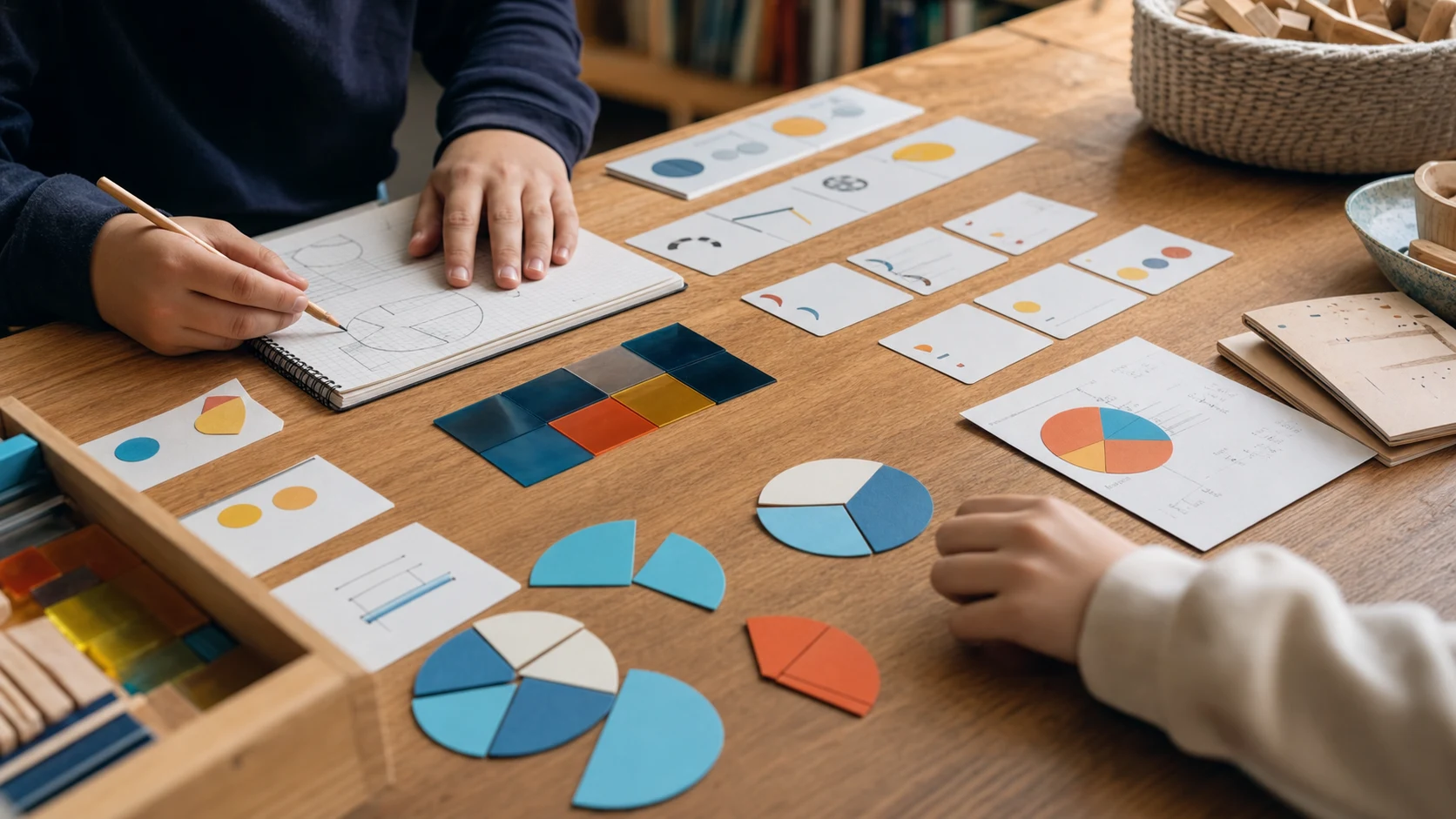
Examples
These examples show how information can move through rhythm, movement, story, image, collaboration, emotion, or a learner-made artifact before it becomes formal language. The education examples are the first application of the broader Etuosity approach.
Learners feel halves, quarters, and eighths in a shared beat before the notation appears.
Open experienceA musical motif becomes x. Rhythm, drawing, and movement give coefficients and constants a body.
Open experienceLearners use role, tableau, voice, and evidence cards so facts connect to source, motive, perspective, and consequence.
Open experienceAn adult learner maps a codebase, business process, diagnosis, or life pattern through relationships, failure points, emotional tags, and transfer checks.
Open experienceEtuosity needs educators, adult learners, reviewers, pilot partners, builders, and supporters who can help test whether experience-first anchors improve explanation, retention, and transfer.
Join or share a learning problem