About Etuosity
A limited-access project for learning through experience.
Etuosity is creating examples, future public materials, and future tools that help people connect hard ideas to anchors, relationships, emotion, story, creation, and transfer.
The project thesis
Hard ideas become easier to use when they have something to attach to.
Etuosity starts from a practical observation: many people are not missing intelligence or curiosity. They are missing a sensory, emotional, social, creative, personal, or relational point of contact with the idea.
The approach is being developed through concrete education examples first, then refined through review, learner output, pilot feedback, and tools that make anchors and relationships easier to design.
What Etuosity is
A learning-design project in limited-access development.
Etuosity is not a finished product or paid curriculum. It is a non-commercial learning-design project.
The work is currently focused on building concrete examples, design principles, review loops, and future tool concepts with contributors before broader release.
Education is the first application, but the broader idea is simple: people often remember through relationships, context, emotional tags, sensory cues, stories, and lived experience.
Contributor development project
The work is being shaped through review, examples, pilot thinking, and practical feedback from people involved.
Examples, materials, tool concepts
Visitors can understand the kinds of resources Etuosity is developing and ask to contribute.
Review, share, pilot, build, support
The most useful engagement is specific input that makes the materials clearer and more useful.
Why the name
Etuosity combines etude, curiosity, and virtuosity.
An etude is a study piece: a focused work designed to develop real skill through practice. Curiosity is the human force that makes a learner lean in, ask what is happening, and stay with a difficult idea long enough for it to become meaningful.
Virtuosity is not used here as a promise of perfection. It points to fluent use: the moment when knowledge stops feeling like a rule to remember and starts becoming something a learner can recognize, adapt, explain, and perform in a new situation.
Etuosity was chosen because the project sits at the intersection of those three ideas. It treats learning as practiced, curious, expressive work, where the goal is not just exposure to content but a usable relationship with the concept.
Practice with structure
A hard idea becomes a focused study piece: repeatable, inspectable, and designed to build skill.
A reason to care
The learner enters through a question, sound, image, story, movement, conflict, or problem worth staying with.
Knowledge in motion
Understanding shows up when the learner can use the idea with timing, judgment, voice, and transfer.
What we are building
A method for designing anchors, mapping relationships, and checking transfer.
The current work includes education experience maps, memory-anchor examples, concrete lessons across subjects, and early tool concepts for designing anchor-based learning paths.
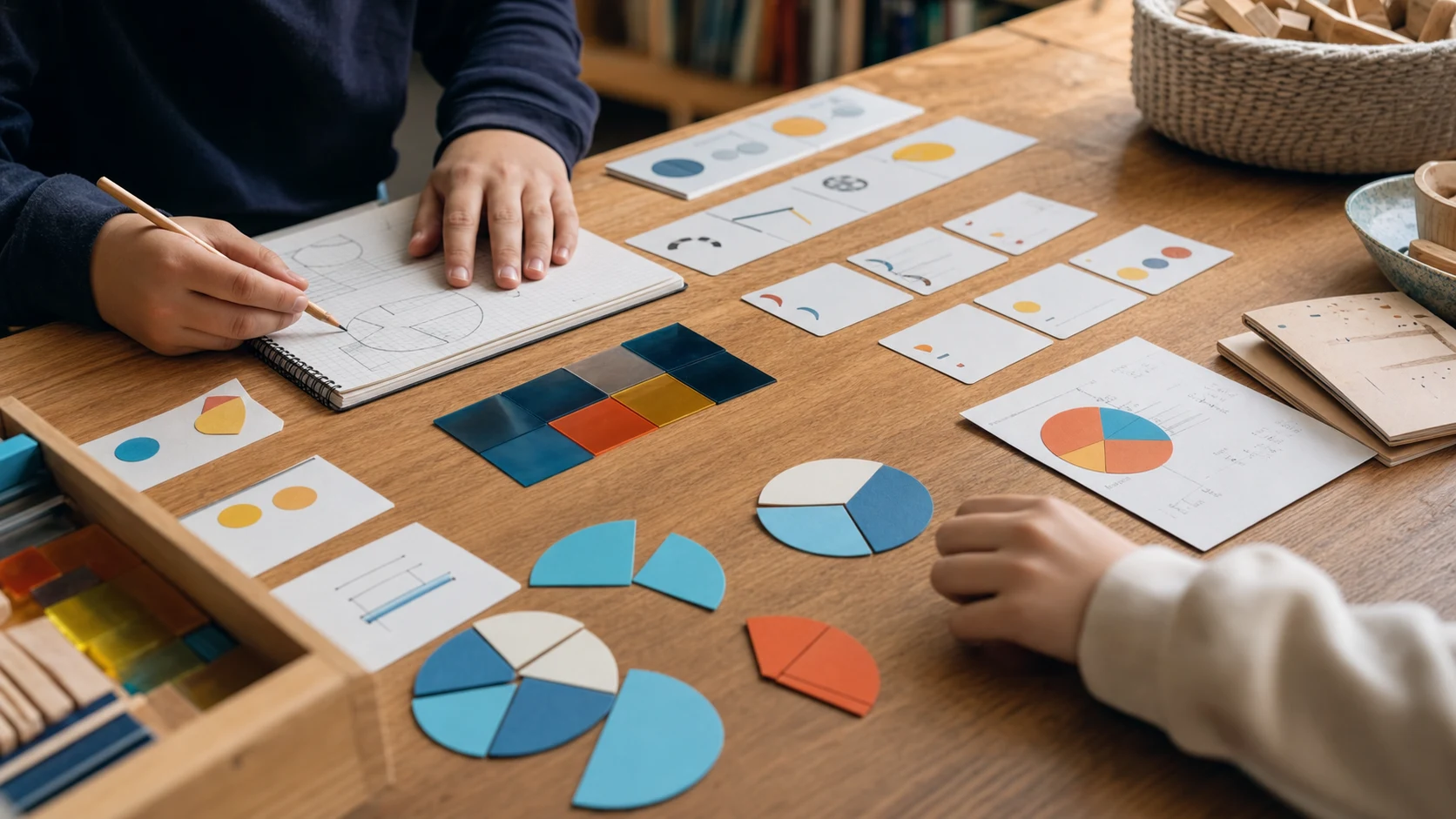
Each experience starts with something a learner can hear, see, touch, move through, perform, debate, draw, build, remember, or emotionally recognize. Formal vocabulary arrives after there is something to name.
Anchor the abstract
The goal is a durable recall point: "I remember what this connects to."
Map the meaning
The learner sees what changes, what repeats, what depends on what, and why it matters.
Use proves retention
The idea has to survive a new context, not just the first activity.
How the model stays grounded
Creative experience, formal learning, and measurement stay connected.
Etuosity treats creative modes as teaching methods, not decorative extras. Music, movement, story, image, and making carry math, science, language, history, and abstract thought.
Each experience has to connect back to vocabulary, notation, explanation, and transfer. Each iteration is tested through learner output, expert review, and practical feedback from real settings.
Research-informed and measured
Learning science informs the principles; ongoing review improves the materials.
Build, observe, refine
The loop is part of the contributor process: design the experience, inspect the work, revise.
Who should care
Educators, learners, builders, collaborators, and supporters can all see the same story.
For learners, Etuosity names a familiar kind of understanding: the song, person, place, story, image, movement, emotional moment, or lived consequence where an idea finally made sense.
For educators, it offers concrete materials to inspect. For adult learners and builders, it points toward tools for mapping complex knowledge. For supporters, it frames a disciplined approach with clear examples and measurable next steps.
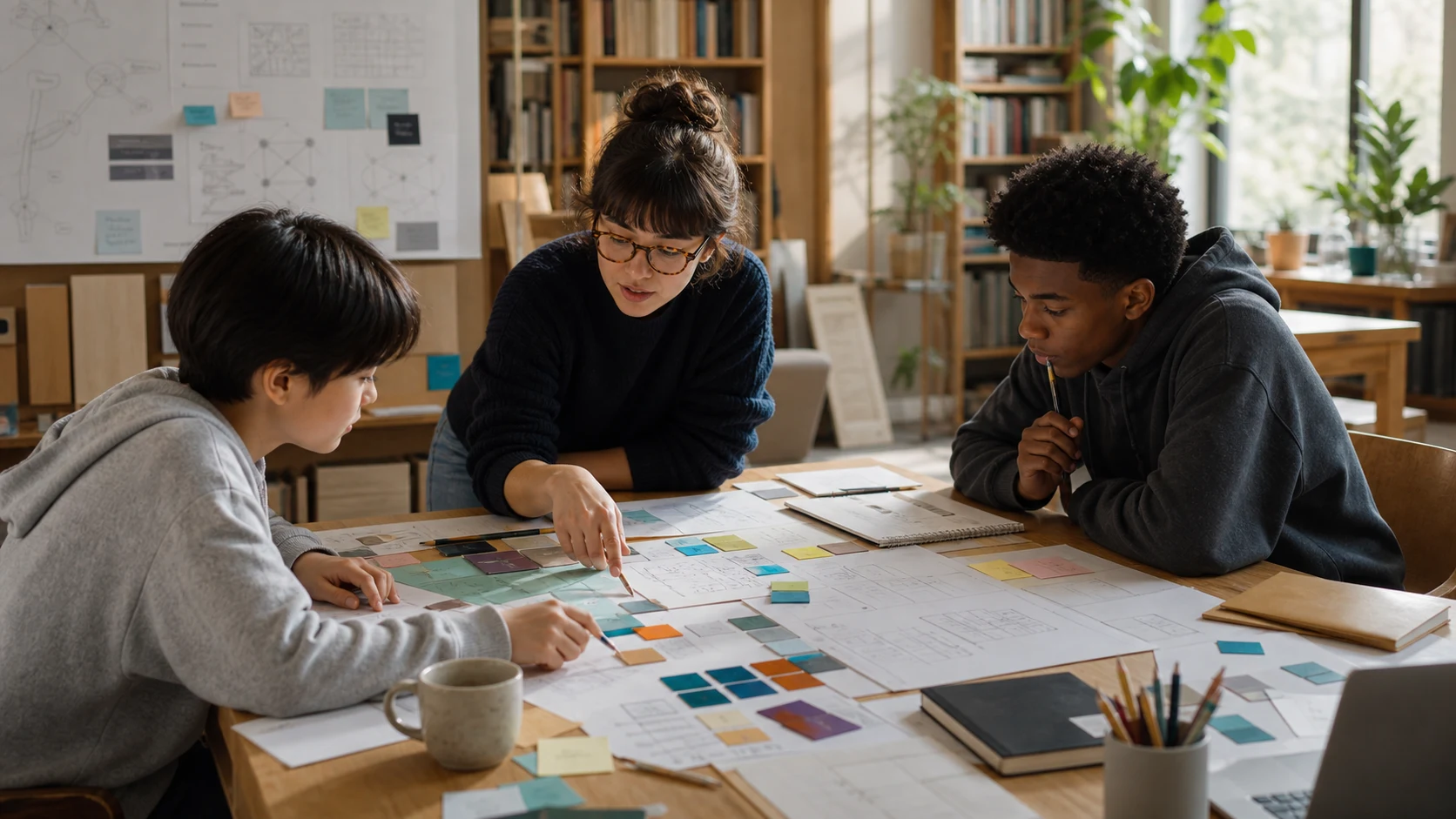
The anchors are practical, not decorative.
Heard, seen, touched, or moved
The concept has more than one doorway into memory.
Made by the learner
Learners make artifacts that reveal understanding, not just answers.
Mapped to formal knowledge
The experience must connect back to symbols, vocabulary, evidence, and transfer.
Next step
Help shape the next version.
Etuosity needs educators, adult learners, reviewers, pilot partners, technical collaborators, and supporters who can help turn early examples into clearer tools, stronger materials, and better evidence before public release.
Join or share a learning problem